
How to plan a family safari in Kenya
A family safari can be one of the most memorable ways to travel together, but the best itinerary for children is not simply an adult safari with extra seats in the vehicle. Transfer length, room configuration, meal times, swimming pools, downtime, toilet stops and the age of each child matter just as much as which animals are on the wish list.
Kenya works particularly well for families because Nairobi has wildlife experiences close to the city, major safari regions can be linked by road or air, and accommodation ranges from family-friendly lodges to smaller tented camps. Start with our Family Safaris collection or use Plan My Safari to tell us the children’s ages and preferred travel pace.
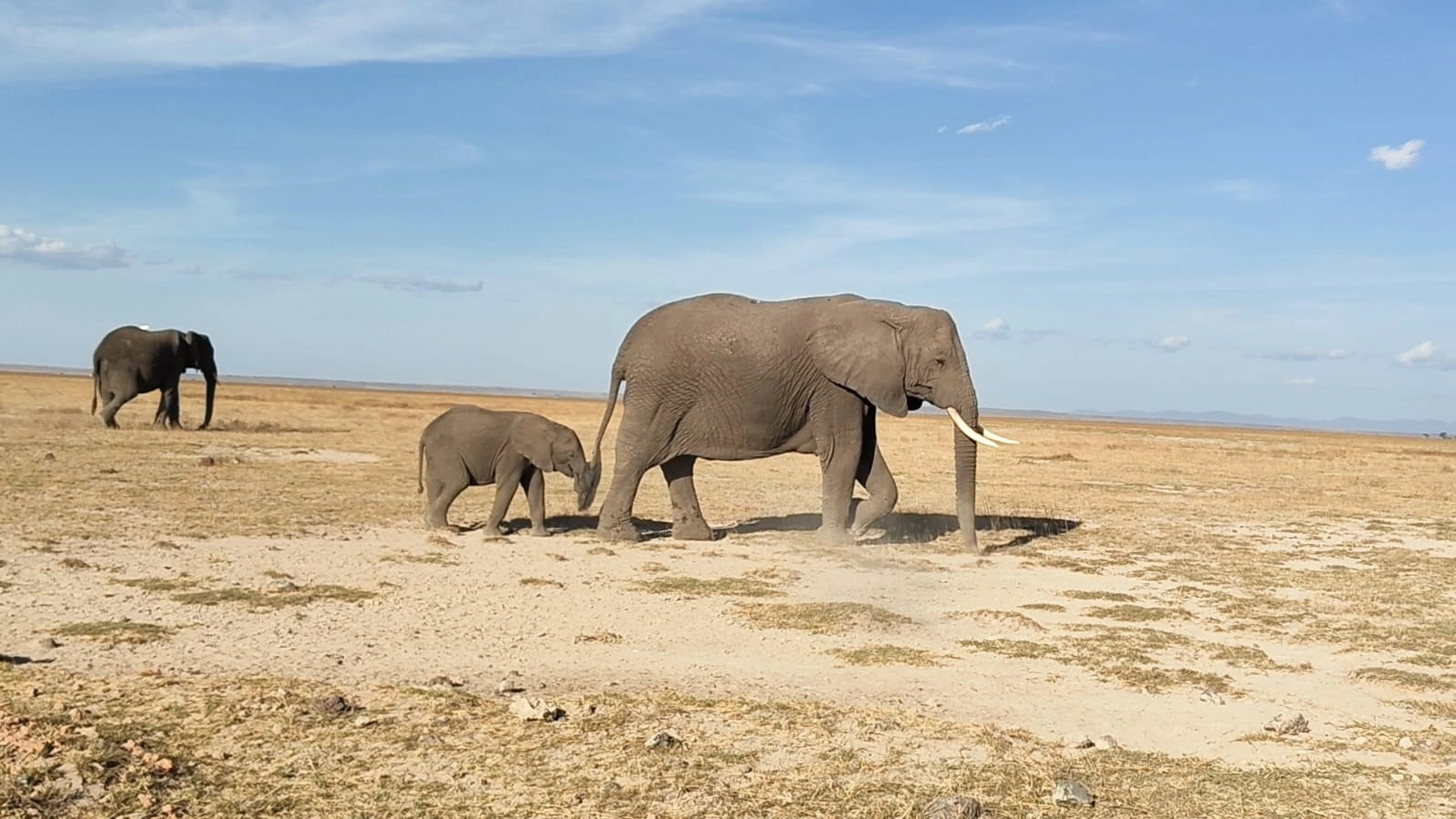
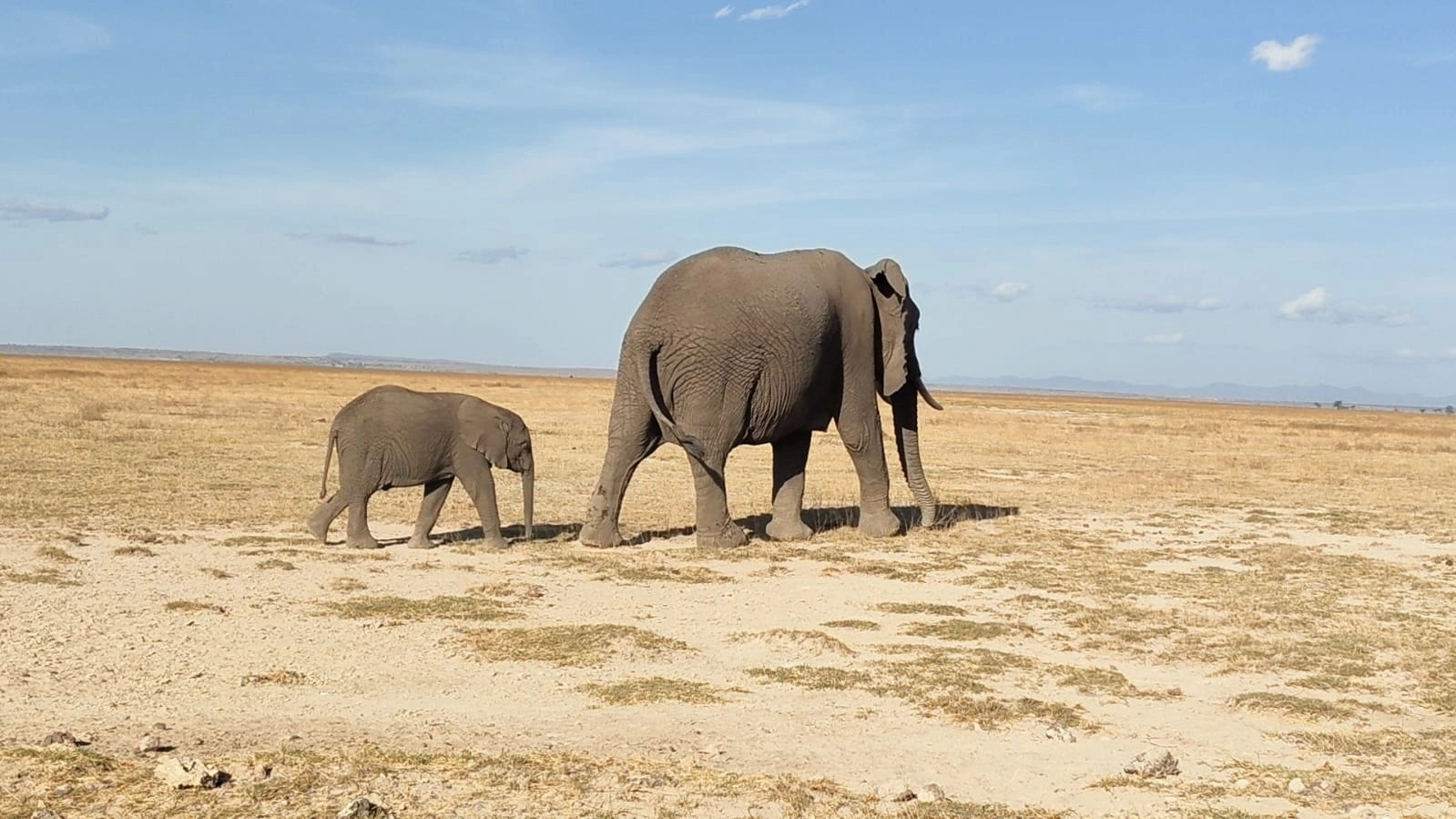
Amboseli is a strong family destination because elephants are highly visible and the landscape is easy for children to understand.
What age is best for a family safari?
There is no universal minimum age for “going on safari,” but specific lodges and activities can have their own age rules. Very young children may find long game drives difficult, while older children can become deeply engaged in tracking, birding and conservation stories.
For younger families, prioritise shorter drives, two-night stays, flexible meal arrangements and properties where you can return to the room or pool between game drives. For teenagers, consider adding photography, horse riding, cultural experiences or conservation activities.
Best Kenya safari destinations for families
Nairobi National Park
Nairobi National Park is one of the easiest ways to introduce children to wildlife without an immediate long road journey. Kenya Wildlife Service describes the park as Kenya’s first national park, with more than 100 animal species, over 400 bird species and an important rhino sanctuary. Its proximity to the city makes it suitable for an arrival day or a half-day excursion.
See the official KWS Nairobi National Park page for current visitor guidance.
Amboseli National Park
Amboseli is excellent for families who want a classic first safari. Large elephant herds are a major attraction, and the wetlands and open plains create varied wildlife viewing. The possibility of Mount Kilimanjaro appearing beyond the park gives children an immediate sense of place.
Lake Naivasha
Lake Naivasha can provide a useful break from continuous game drives. A properly managed boat safari adds birds, hippos viewed from a safe distance and a water-based experience. This variation can help children stay interested during a longer itinerary.
Lake Nakuru National Park
Lake Nakuru is compact enough to work well in family itineraries and adds rhinos, giraffes, birdlife and scenic viewpoints. Kenya Wildlife Service reports approximately 450 bird species and identifies the park as an important sanctuary for both black and white rhinos.
Maasai Mara
The Maasai Mara delivers some of Kenya’s strongest general wildlife viewing, but families should avoid turning every day into a dawn-to-dusk endurance exercise. A well-planned private vehicle allows you to return to camp for lunch or shorten a drive when the children have had enough.
Using Nairobi as part of the family safari
Nairobi can be a destination rather than just an airport. A family itinerary can combine Nairobi National Park with conservation experiences such as the Sheldrick Wildlife Trust Nairobi Nursery and Giraffe Centre when advance bookings and operating rules are confirmed.
The Sheldrick Wildlife Trust states that its Nairobi Nursery public visit runs from 11:00 AM to 12:00 noon and requires advance booking. The Nursery cares for rescued orphan elephants and rhinos before long-term reintegration efforts. See the official Sheldrick visiting page.
The Giraffe Centre focuses on Rothschild’s giraffe conservation and environmental education. These structured experiences can make conservation easier for children to understand than a purely observational game drive.
Our Half Day Magical Urban Wildlife Experience brings Nairobi wildlife and conservation stops together when availability allows.
How many destinations should a family visit?
Usually fewer than an adult-only group with the same number of days. A seven-day family safari with three or four major wildlife areas can work very well; a seven-day itinerary with six overnight locations often becomes exhausting.
For example, Nairobi → Amboseli → Lake Naivasha → Maasai Mara → Nairobi offers elephants, a water-based break and classic savannah without changing hotels every night. If the children enjoy road travel, Lake Nakuru can be added between Naivasha and the Mara.
Private vehicle or shared safari?
For families, a private vehicle is usually worth considering because it gives you control over timing, comfort stops and how long to remain at a sighting. If a child is tired, you can leave early. If they are fascinated by elephants, you can stay longer without negotiating with unrelated travellers.
Family accommodation: what to ask before booking
- Does the property have true family rooms, adjoining rooms or only separate tents?
- Can young children sleep in a parent’s room?
- Are there age restrictions for the property or particular activities?
- Is the swimming pool fenced or supervised?
- How far are rooms from the restaurant?
- Does the camp have open wildlife movement after dark?
- Are children escorted to rooms at night?
- Can meals be served earlier for children?
- Does the room have enough charging points for family devices and cameras?
Browse Euclea’s hotel and safari accommodation collection, then ask us to verify the family configuration for your specific travel dates.
Game-drive timing with children
Early morning and late afternoon are traditionally productive wildlife periods, but children do not always perform well after repeated 5:30 AM wake-ups. A private itinerary can alternate early starts with later mornings, use picnic breakfasts or build in afternoons by the pool.
The goal is not to maximise hours in the vehicle. It is to maximise meaningful hours when everyone is alert enough to enjoy them.
What should children pack?
- Light neutral clothing and a warm layer for early mornings.
- Comfortable shoes and sandals.
- Sun hat and age-appropriate sunscreen.
- Small personal binoculars for older children.
- A notebook, wildlife checklist or sketchbook.
- Refillable water bottle.
- Familiar snacks for long transfer days.
- Any regular medicines and a small parent-managed first-aid kit.
Keeping children engaged on safari
Give them a role. Younger children can count giraffes or look for animal tracks; older children can keep a species list, photograph birds or learn the differences between Grevy’s and plains zebra. Guides are often excellent at turning a drive into a story when they know the child’s interests.
Northern Kenya can be especially engaging for older children because Samburu introduces unusual dryland species that are not simply repeats of the Mara. Samburu County highlights the Special Five—Grevy’s zebra, reticulated giraffe, gerenuk, Beisa oryx and Somali ostrich.
Safety on a family safari
Children must understand that safari areas are not zoos. Animals can move through unfenced camps; instructions from guides and lodge staff should be followed immediately. Do not allow children to approach wildlife, feed animals or leave the vehicle except in designated safe areas.
National park rules also exist to protect wildlife from people. Kenya Wildlife Service advises visitors to stay on established roads, keep appropriate distances and remain in vehicles except where stopping is permitted.
Health and food considerations
Discuss travel-health requirements with a qualified clinician who can consider your family’s ages, medical history and exact route. Bring prescription medicines from home and inform the safari planner about significant allergies or dietary needs before accommodation is confirmed.
Frequently asked questions about family safaris
Can toddlers go on safari in Kenya?
Some families travel successfully with toddlers, but lodge policies and activity restrictions vary. The itinerary should be slower, more flexible and carefully matched to properties that accept young children.
Is a tented camp safe for children?
It can be, provided the property accepts children and the family follows its safety rules. Many camps are unfenced and require escorts after dark.
How long should a family safari be?
Five to eight days works well for many families, particularly when stays are at least two nights. Longer trips can work if beach or rest days are built in.
What if my child gets tired of game drives?
That is normal. Choose a private vehicle, build in lodge time and mix wildlife drives with water, conservation, cultural or walking experiences that are appropriate for the child’s age.
Build a safari around your family, not a generic itinerary
Tell Euclea Safaris the children’s ages, preferred travel month, room needs and how long your family is comfortable driving in one day. We will recommend a route that balances wildlife with rest.
Explore Family Safaris · Plan My Family Safari · Ask About Family Rooms