
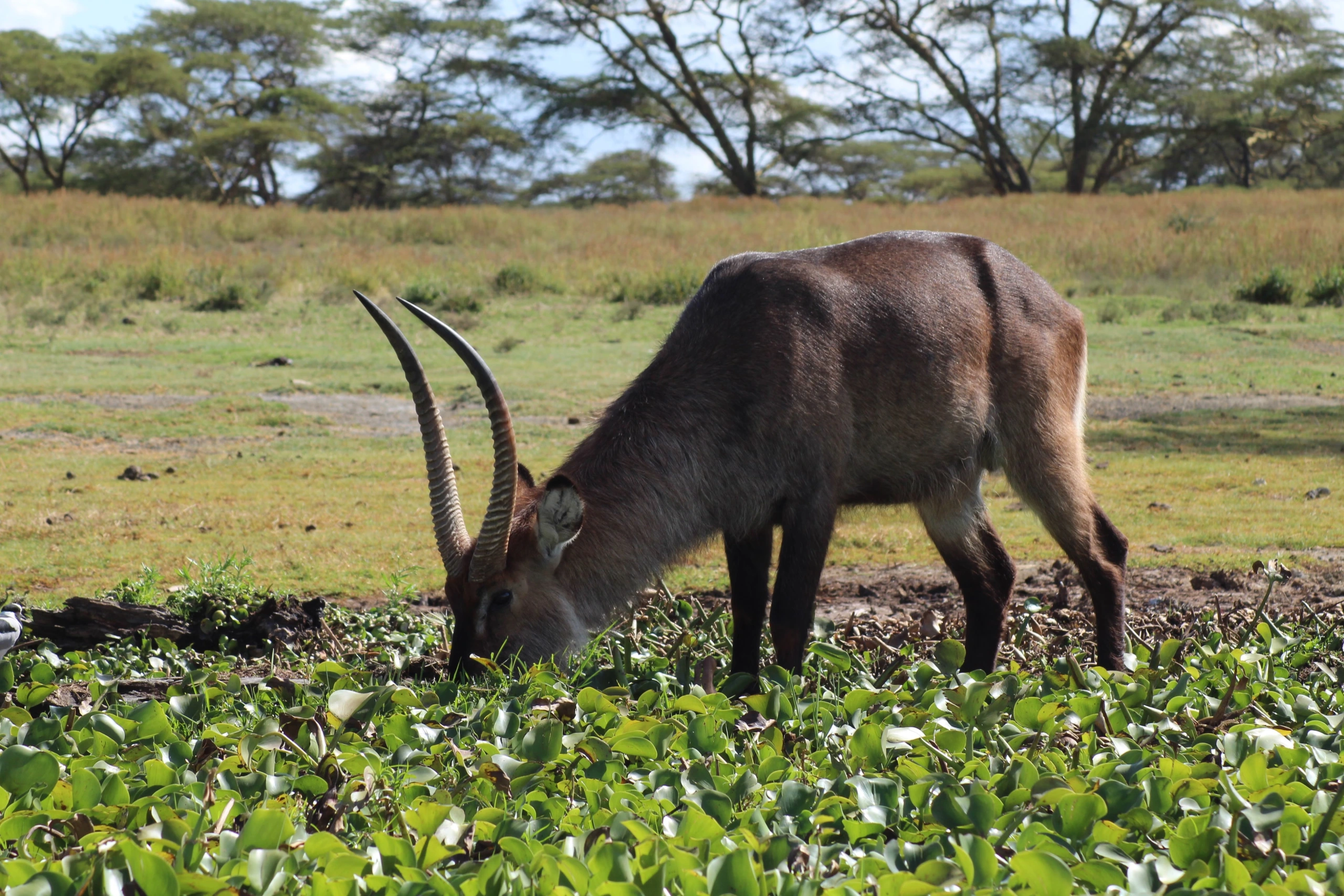
When is the best time to visit Kenya for safari?
The best time to visit Kenya for safari depends on what you want to see, how you feel about rain and crowds, your photography priorities and whether the Great Migration is central to the trip. Kenya is not a destination with one short “correct” season. Wildlife viewing continues throughout the year, while rainfall changes vegetation, road conditions, birdlife and the way animals use water and grazing areas.
For many first-time travellers, the drier months from roughly June to October and January to February are easy to understand because vegetation is often less dense and wildlife can concentrate around dependable water. But the greener periods can deliver dramatic skies, fresh landscapes, migrant birds, newborn animals and fewer vehicles in some destinations.
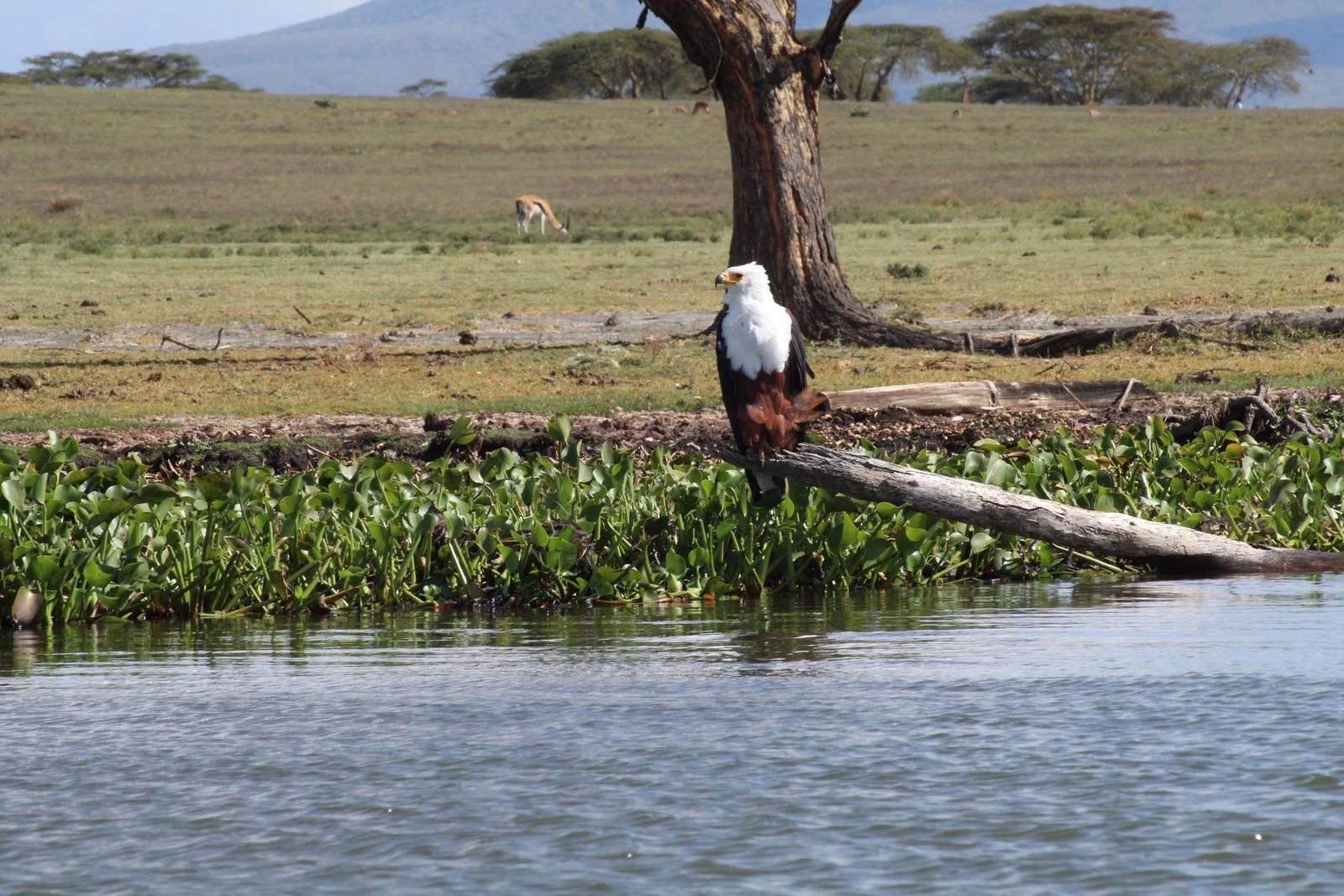
Kenya’s Rift Valley lakes can be rewarding throughout the year, with changing water levels, bird movements and seasonal landscapes.
Kenya safari seasons at a glance
| Period | Typical safari character | Good for |
|---|---|---|
| January–February | Often drier and warm in many safari regions | Wildlife viewing, photography, first-time safaris |
| March–May | Long-rain period; greener landscapes and variable roads | Birding, scenery, quieter travel where access remains good |
| June | Transition toward drier conditions | Fresh landscapes, increasing wildlife visibility |
| July–October | Dry-season conditions in many areas; migration activity often reaches the Mara | Great Migration planning, classic game viewing |
| November–December | Short rains can bring green landscapes and changing wildlife patterns | Birding, photography, festive travel |
These are planning patterns rather than guarantees. Rainfall timing varies from year to year, and the Great Migration responds to grass and water rather than a calendar created for tourism.
January: dry-season safari without the migration crowds
January can be an excellent month for travellers who care more about resident wildlife than migration herds. Amboseli is particularly attractive for elephant viewing and landscape photography, while the Maasai Mara remains predator-rich even when the large migration herds are elsewhere in the wider ecosystem.
It is also a good time to consider a northern route through Samburu and Ol Pejeta. If you want a classic first journey, compare our 7 Day Kenyan Wildlife Odyssey.
February: strong wildlife viewing and photography
February often continues the drier pattern in many parts of the country. Clearer roads and shorter grass can help with general game viewing, although the exact condition of each park still depends on local rainfall. Photographers may value the combination of relatively dry conditions and fewer migration-focused visitors than in the July–October period.
March: transition into greener conditions
March can sit between drier conditions and the onset of the long rains. This makes it difficult to summarise with one rule. Some years remain dry well into the month; others change earlier. Travellers who are flexible can benefit from greener landscapes and a different mood in the parks.
April and May: the long-rain period
April and May are commonly associated with the long rains. That does not mean it rains all day every day, but heavier rainfall can affect unpaved roads, transfer times and access to particular tracks. Some camps may close seasonally, while others stay open and offer a quieter safari environment.
The advantage is visual: new grass, dramatic skies, cleaner air and intense green landscapes. Birding can also be excellent. If your priority is photography rather than a specific migration event, this period can be highly rewarding when the route is designed around accessible areas and the right accommodation.
June: a valuable transition month
June often brings a transition toward drier conditions. Landscapes can still be green, while road conditions and wildlife visibility improve in many regions. It can be a useful month for travellers who want a classic safari feel before the busiest migration-season travel period.
July: migration planning begins in earnest
July is strongly associated with the movement of wildebeest and zebra toward the northern Serengeti and Maasai Mara ecosystem. The exact location of the herds and timing of river crossings changes from year to year. The official Maasai Mara National Reserve website describes the Great Migration as an annual movement of more than 1.5 million wildebeest together with large numbers of zebras and gazelles across the Serengeti–Mara ecosystem.
If migration is your priority, book accommodation and internal flights early, but keep expectations realistic: no operator can guarantee a river crossing on a specific day.
August and September: classic Maasai Mara migration months
August and September are often among the most sought-after months for Mara travel. This can mean excellent migration opportunities but also higher demand for accommodation and more safari vehicles around major wildlife sightings and crossing points.
One way to balance the trip is to combine the Mara with a quieter region. For example, Samburu, Meru or Ol Pejeta can create a very different second half of the journey.
October: migration can continue, but conditions are changing
October may still deliver migration activity in the Mara, while the approach of short rains can begin to change grazing patterns. Because nature does not follow exact tourism dates, travellers should plan the safari around the entire Mara ecosystem rather than a single hoped-for river crossing.
November: short rains and fresh landscapes
November can bring short rains that transform dusty plains quickly. Vegetation becomes greener, skies can be dramatic and wildlife continues to use the parks normally. Rainfall may affect the timing of some drives, but showers can also clear quickly.
This period can be especially attractive for travellers interested in landscape photography and birding. The Lake Nakuru and Lake Naivasha areas add strong aquatic and birdlife elements to a green-season route.
December: festive travel and changing conditions
December is a popular holiday month, so family-friendly lodges and flights can fill even if weather patterns are less predictable than during the classic dry season. The advantage is that Kenya offers a broad range of safari regions, allowing the route to be adjusted around current conditions rather than relying on one park.
Best time by safari interest
For the Great Migration
Plan around July to October for the strongest chance of Mara migration activity, but treat those months as a window rather than a guarantee. Read our Great Migration in Kenya guide for a deeper explanation.
For elephants and Kilimanjaro views
Amboseli National Park works year-round. Drier conditions can concentrate wildlife around wetlands, while mountain visibility depends on cloud rather than simply the month. Early mornings often provide your best photographic chance when skies are clear.
For rhinos and conservation
Ol Pejeta and Lake Nakuru are strong choices throughout the year. Kenya Wildlife Service identifies Lake Nakuru as an important sanctuary for both black and white rhinos and reports approximately 450 bird species in the park. See the official KWS Lake Nakuru page.
For birding
Green seasons and periods when migrant species are present can be excellent for birding. Kenya’s diversity means you can combine Rift Valley lakes, highland conservancies and dry northern habitats in one specialist route.
For photography
There is no single best month. Dry seasons can make wildlife easier to find, while green seasons offer cleaner backgrounds, dramatic cloud formations and richer colour. A photographer often benefits more from longer stays and private vehicles than from choosing a supposedly perfect month.
Does rain ruin a Kenya safari?
Usually, no. Rain changes a safari rather than automatically spoiling it. Heavy storms can temporarily make tracks difficult, and some seasonal camps close, but wildlife remains present. The key is choosing a route and accommodation that remain practical for the expected conditions.
When should families travel?
School holidays naturally influence family travel. July–August and December can be popular, so family rooms and larger vehicles should be secured early. If school dates allow, January–February or June can offer a good balance between wildlife viewing and availability. Read our Family Safari in Kenya guide for practical advice.
Frequently asked questions
Is July the best month for a Kenya safari?
It is one of the most popular months, especially for migration-focused travel, but it is not automatically the best for every traveller. If you prefer fewer visitors, lower-density parks or green-season photography, another month may suit you better.
Can I see wildlife in Kenya during the rainy season?
Yes. The animals do not leave because it rains. Visibility, road conditions and wildlife distribution may change, so route design becomes more important.
What is the cheapest safari season?
Rates vary by property, park fees and availability. Some lodges offer lower rates in wetter periods, but not every destination follows the same pricing calendar. Compare complete quotations rather than assuming one month is universally cheapest.
When should I book for the Maasai Mara migration?
As early as practical, particularly if you want a specific small camp or internal flight. The most sought-after properties can fill many months in advance.
Choose your month, then let the route follow the season
Tell us your travel dates and priorities. Euclea Safaris can recommend the destinations that make sense for that period instead of forcing the same itinerary into every month.
Plan My Safari · Compare Safari Packages · Ask About Your Travel Month